Are Electrician In Hertfordshire Just As Important As Everyone Says?


The Hertfordshire Electrician
Electricians employ a variety of tools and instruments for their work. They must also be able to work safely and be in compliance with the relevant building regulations.
Hertfordshire electricians are available should you require any electrical repairs or installations. They can assist you install circuits, lighting, and rewiring.
Qualifications
When you want electrical work to be completed in your home, you need to hire an electrician who is experienced and qualified. You can check the qualifications of an electrician with the NICEIC contractor finder tool online or by examining their NICEIC card. It's also a good idea to ask for references from previous customers, and also to ask whether they have any suggestions.
Electricians can be trained at various levels dependent on the kind of work they do. Some electricians are journeymen, who have completed their apprenticeships. Others are masters who have advanced qualifications.
You can start your career as a household electrician, or you could choose to specialise in commercial work. Commercial qualifications include electrical services for restaurants and pubs, industrial installation and solar energy.
If you're looking to become a commercial electrician then you'll need an electrotechnical diploma. This could be a Level 3-NVQ Diploma of Electrotechnical Services - Maintenance Electrotechnical System or a Level 3-NVQ Diploma of Electrical Installations - Buildings and Structures. These qualifications will enable you to perform various electrical tasks in a broad range of environments.
After the completion of these courses, you will need to have at least a few years of experience working in the electrotechnical area. Learn Trade Skills' (LTS) Electrotechnical NVQ level 3 courses can assist you in becoming a domestic or a commercial electrician.
The NVQ electrical course is a portfolio-based one, meaning you can complete the course on your own time and at your pace. It comprises three elements: Step 1 is an GCSE or equivalent qualification in maths and English and Step 2 is an appropriate electrical installation course at Level 3 and Step 3 is the completion of an NVQ portfolio, which is signed by an accredited individual.
After you have completed an NVQ electrical course you can apply for the JIB Gold Card and become a member of professional bodies such as NICEIC and NAPIT. This will help you to gain the confidence and expertise you need to start your own business or become an independent self-employed electrician.
Experience
Hertfordshire is a hub of technological innovation with companies such as Google, Apple and Microsoft which are headquartered in the region. GC Electrics can provide you with the latest electrical tools for your home or office. From wiring repairs to lighting installations and rewires we can help you out. You get all of this at a reasonable cost. The latest technology in electrical engineering from a company that cares. The GC Electrics staff is always ready to assist you. If you're a Hertfordshire tradesman who wants to increase your profile with the GC Electrics recruitment team are available to assist.
Health & Safety
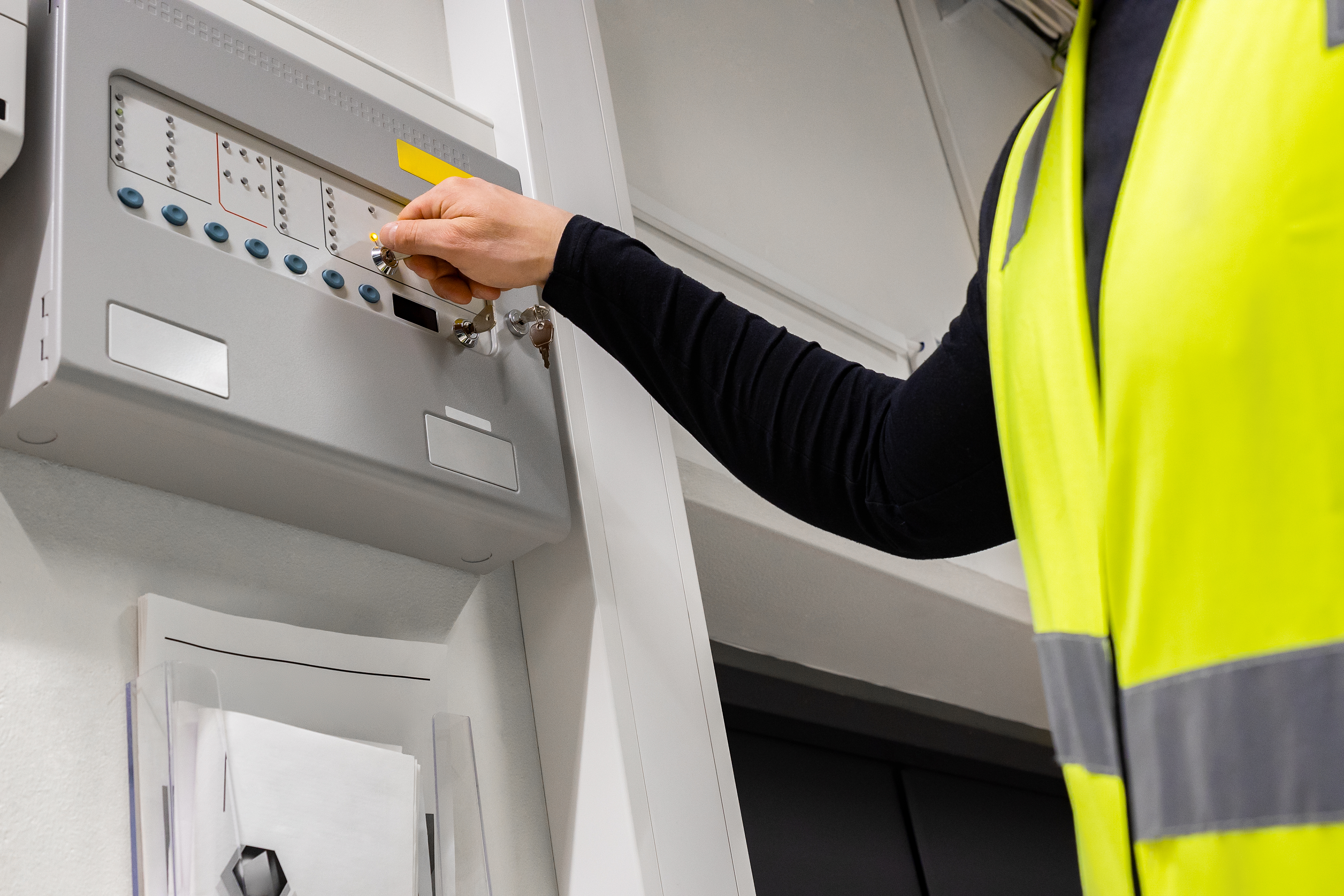
Electricians are required to take health and safety measures that safeguard them and their colleagues. To accomplish this, they must employ the right equipment and be properly trained to do their job. Additionally, they have to ensure that the work they are doing is safe and follows all laws.
Personal protective equipment (PPE) is a must for electricians, as it helps to prevent injury while working. They also protect themselves from the elements. It could be things like goggles, gloves, and helmets.
It is also essential for electricians to keep their hands dry, as water can increase the conductivity of electricity. If they're not careful this could lead to electrocution.
It is important to remove any electrical appliance or installation that is close to the bath or sink. This is especially true in the case of frayed cables and damaged insulation, or broken plugs.
A Hertfordshire Electrician must comply with all safety and health regulations in order to keep their workplace safe from dangers. They should also avoid working at height, as this increases the risk of falling and getting injured.
When working on an electric system, they must be aware of the latest regulations and guidelines. For example, a Hertfordshire Electrician must make sure they adhere to the guidelines laid out by the Building Regulations, as well as other standards.
It is also important to test all electrical equipment regularly to ensure that they are in good working order and safe. This can include performing visual inspections or testing the wiring of devices to ensure that there aren't any problems.
The Health and Safety at Work Act of 1974 stipulates that employers must take all measures to ensure their workers are safe. This means that employers must not permit any risk to persist in their workplaces. They must ensure all employees know what steps to take in the case of an accident, or emergency.
To comply with the law, you must have all electrical work completed by an electrician licensed in Hertfordshire. You should also ensure that all electrical appliances and installations are tested PAT to decrease the risk of a mishap occurring.
Insurance
It is no surprise that Hertfordshire Electrician, who earns an impressive salary and has a comprehensive insurance program. We all know that a accident is not unheard of. A good insurance plan could mean the difference between a tidal crowd of delighted customers or a peaceful evening at home. So, we've made a list of most trusted and up to current insurers in the county. domestic electrical testing hertfordshire mentioned are just a few of the many who are available to discuss your particular needs and assist you in selecting the most suitable insurance coverage for your business. It is essential to inquire whether we can aid you in making a smooth transition between insurers.